
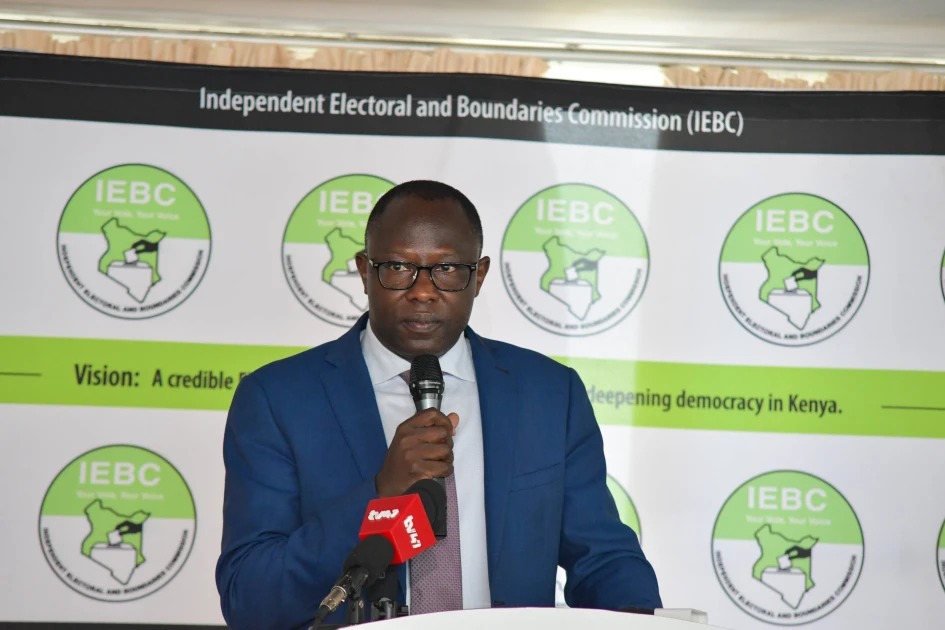


As Kenya moves closer to the 2027 General Election, questions continue to emerge over the preparedness of the Independent Electoral and Boundaries Commission (IEBC) and its ability to conduct a free, fair, and credible election.
The debate has intensified following allegations by some opposition leaders that the ruling United Democratic Alliance (UDA) could attempt to influence the election in favour of President William Ruto. However, these remain allegations and have not been substantiated with evidence. IEBC has publicly rejected claims that the 2027 election is already predetermined or that it is involved in any plan to manipulate the outcome, describing such assertions as baseless and harmful to public confidence in the electoral process.
The electoral commission has maintained that it is committed to upholding the Constitution and ensuring that every Kenyan vote counts. It has also cautioned political leaders against making unverified claims that could undermine trust in the institution before the election takes place.
Political observers note that the credibility of the 2027 elections will depend on several factors, including the independence of the IEBC, transparency in voter registration and results transmission, adequate election preparedness, peaceful campaigns, and public confidence in the electoral process. Recent by-elections have also been viewed by some analysts as an opportunity to assess the commission’s readiness for the national polls.
With campaigns expected to intensify in the coming months, both the government and opposition are likely to face increased scrutiny from voters, election observers, and civil society. Ultimately, whether the 2027 elections are viewed as credible will depend on how the process is conducted and whether all stakeholders respect the rule of law and the final outcome.
📌 Stay with Brian Antidote News for timely updates, breaking news, and in-depth analysis on politics, elections, governance, and current affairs.